TLDR;
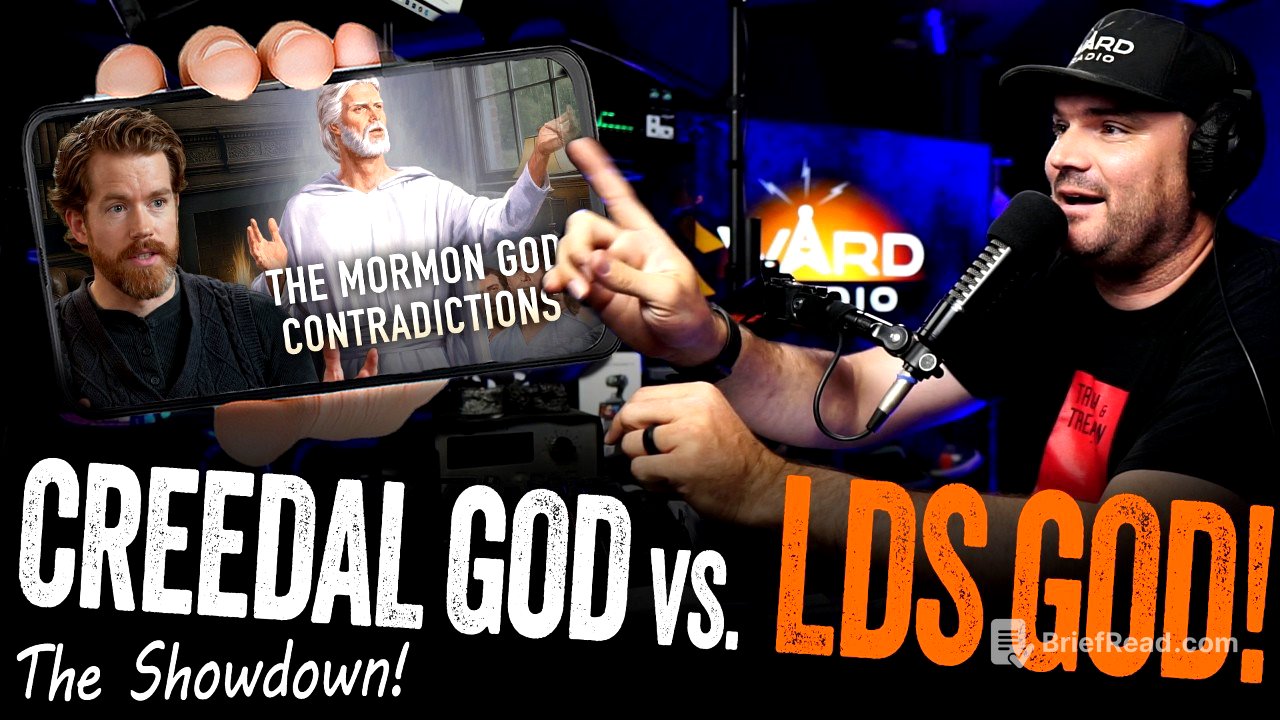
In this episode of Ward Radio, host Carden Ellis is joined by Quu L, KJ Hershey, and Jacob Hansen to respond to Brian Holdsworth's video, "The Mormon God Problem." The discussion revolves around contrasting the characteristics of the God of classical Christianity with the God of Mormonism, emphasizing misconceptions and misrepresentations about both faiths. The group critiques Brian's arguments, using humor and personal insights to present their views on theology, divine embodiment, and the implications of their beliefs.
- The show features a response to Brian Holdsworth's viewpoint on the nature of God.
- The conversation highlights theological differences and critiques perceived biases.
Introduction to the Discussion [0:00]
The episode begins with Carden Ellis introducing the show's participants and stating the purpose of responding to Brian Holdsworth's claims about the Mormon understanding of God. The group expresses eagerness to engage with the issues raised in Holdsworth's video, especially the idea of a showdown between different concepts of God.
Context on Brian Holdsworth's Claims [4:40]
The panel discusses Holdsworth's provocative assertion that his understanding of God could "beat up" the Mormon God, leading to a reflection on the motivations behind such a challenge. The hosts share personal reactions, with Luke expressing frustration over the sensationalism used in Holdsworth's arguments, while Jacob questions the reasoning and presentation style employed in the video.
Critique of Religious Arguments [8:00]
The discussion shifts to critiquing the methodical approach that Holdsworth employs in his arguments against Mormonism. The hosts argue that many of his points are based on outdated interpretations of Mormon beliefs that do not align with contemporary views within the faith. They express disappointment with his usage of discredited materials and call for a more nuanced understanding of differing theological perspectives.
God's Existence and Characteristics [12:00]
Moving into the attributes ascribed to God, the group dissects Holdsworth's definitions and contrasts them with the Latter-day Saint (LDS) perspective. They clarify LDS beliefs about God's nature, arguing that Mormons see God as a glorified being with physical form, while classical Christianity defines God in more abstract terms. A debate emerges over how the characteristics of God can be understood and misrepresented across different faiths.
Theological Definitions and Misunderstandings [18:00]
The panel identifies the potential pitfalls in framing the conversation about God solely through a philosophical lens, stating that such definitions can create barriers to mutual understanding. They critique Holdsworth's reliance on the ontological argument, asserting that Mormons do not adhere to these philosophical assumptions and instead focus on personal revelation and relationships with the divine.
Mormon Doctrine on Creation [24:00]
A significant portion of the conversation centers on creation, where the hosts address Holdsworth's claims regarding the conception of creation ex nihilo (creation out of nothing). They emphasize that Mormons view creation as an organizing process from existing matter, countering Holdsworth's definitions and interpretations with their understanding based on scripture and doctrinal beliefs.
Critique of Humor and Rhetoric [30:00]
Throughout the episode, humor is used to address the serious topics of religious critique. The group often references clichés and eccentricities in the arguments presented by Holdsworth. The hosts express concern that inflammatory rhetoric often leads to misunderstanding and loss of constructive dialogue, urging a more respectful approach to discussing differences in belief.
Final Thoughts and Conclusion [40:00]
As the episode wraps up, the hosts summarize their main arguments, encouraging viewers to appreciate the complexities in each faith's conception of God without resorting to divisive language. They promote open dialogue and mutual respect among differing religious perspectives, reinforcing the importance of understanding presuppositions behind theological debates. The show concludes with a call to engage thoughtfully and empathetically in discussions of faith.