
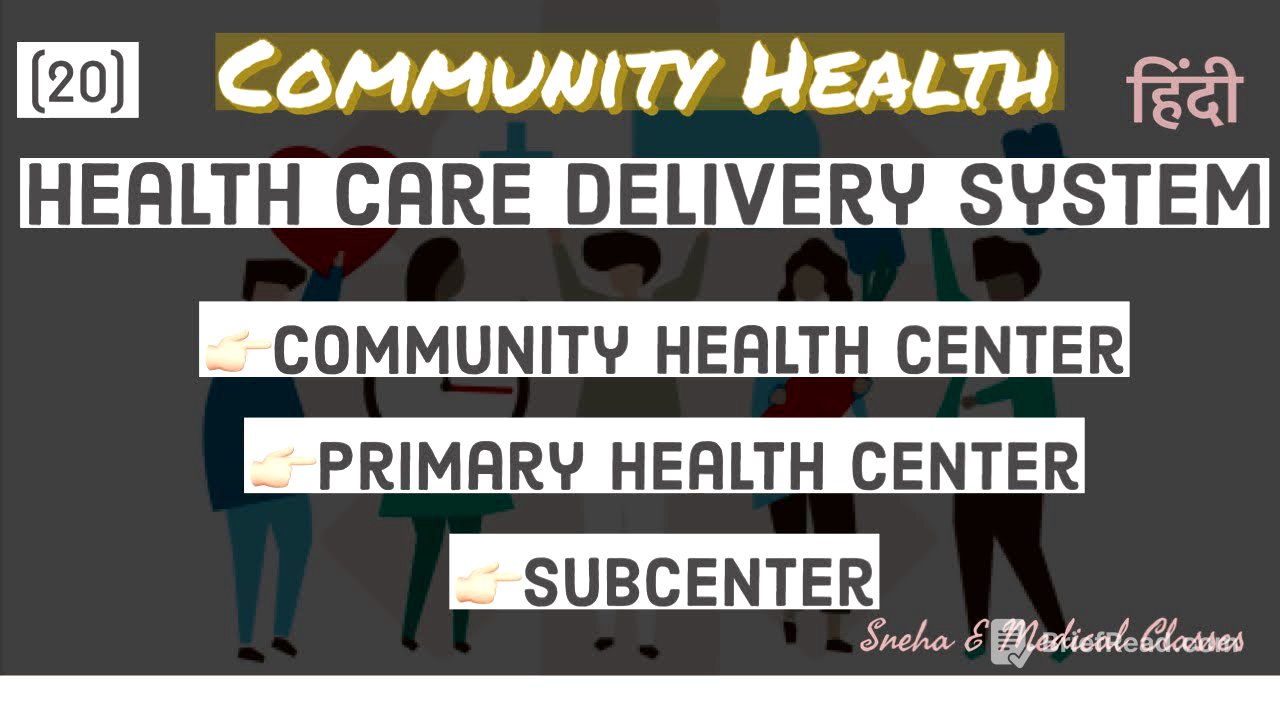
TLDR;
This video provides an overview of the healthcare delivery system in India, explaining its structure, objectives, and different levels of care. It covers the roles and responsibilities of healthcare providers at each level, from primary health centers to tertiary care hospitals, and emphasizes the importance of equitable access to healthcare services for all populations.
- Healthcare delivery system ensures health services reach everyone through a government-managed network.
- The system is divided into primary, secondary, and tertiary levels, each providing different levels of care.
- Key objectives include improving population health, reducing economic burden, and ensuring social justice.
Introduction to Health Care Delivery System [0:05]
The healthcare delivery system in India is a network managed by the government to ensure health services are accessible to everyone. This system extends from grassroots levels in rural areas to hospitals and welfare centers in urban areas, aiming to provide comprehensive care. The system operates independently of the central government, with responsibilities including policy making, planning, and coordination. It includes institutions, organizations, and individuals focused on health promotion, illness prevention, disease treatment, and rehabilitation.
Objectives of Health Care Delivery System [3:34]
The objectives of the healthcare delivery system include improving the health status of the population, reducing the economic burden of illness, and ensuring social justice and equity. This involves providing effective care, reducing financial strain on individuals, and ensuring equal treatment regardless of caste, religion, or economic status. The goal is to make healthcare cost-effective and accessible to all, promoting community participation and addressing local health problems.
Levels of Health Care Delivery System [4:49]
India's healthcare delivery system is divided into three levels: primary, secondary, and tertiary. Primary health care is provided by primary health centers (PHCs) and sub-centers. Secondary care is offered at district hospitals, community health centers (CHCs), and taluk hospitals. Tertiary care includes specialized services at state hospitals and medical colleges. Patients are referred to higher levels if their conditions cannot be managed at the primary level.
Primary Health Care [5:35]
Primary Health Care is essential healthcare based on practical, scientific, and socially acceptable methods, universally accessible to individuals and families. It emphasizes community participation and affordability, ensuring care is accessible at every stage of development. Key principles include equitable distribution, community participation, intersectoral coordination, and appropriate technology.
Primary Health Centers (PHC) [7:59]
A Primary Health Center (PHC) serves 30,000 people in plain areas and 20,000 in hilly or tribal areas. Its functions include providing primary level care and ensuring equitable access to essential health services. A Type A PHC has 13 staff members, while a Type B PHC has 14, including medical officers, nurses, pharmacists, and health workers.
Sub Centers [10:37]
Sub-centers are peripheral outposts in rural areas, serving 5,000 people in general and 3,000 in hilly or backward areas. As of March 2017, there were 25,655 PHCs in the country, each covering six sub-centers. Sub-centers focus on interpersonal communication, behavioral changes related to maternal and child health, family welfare, nutrition, immunization, and disease control. Each sub-center is staffed by at least one auxiliary nurse midwife (ANM) or female health worker and a male health worker.
Secondary Level Care [12:47]
Secondary level care involves more complex treatments and focuses on preventive and curative services. These services are provided by district hospitals and Community Health Centers (CHCs). CHCs serve as first referral units, offering specialized services such as surgery, medicine, obstetrics and gynecology, and pediatrics.
Community Health Centers (CHC) [13:59]
Community Health Centers (CHCs) cover a population of 80,000 to 120,000 and have 30 beds. CHCs provide specialist services in surgery, medicine, obstetrics, gynecology, and pediatrics. Services provided by CHCs are known as assured services, ensuring quality care. As of March 2017, 5,624 CHCs were operational in the country. According to the Indian Public Health Standards revised in 2012, a CHC should have a total staff of 64.
Tertiary Level of Health Care [16:10]
Tertiary level healthcare is provided at state, regional, and central institutions, requiring specific facilities and highly specialized health professionals. These institutions serve as referral units for primary and secondary levels, offering advanced care for severe cases. Patients can be referred from both primary and secondary levels based on the severity of their condition.



![[Part-1] Complete CGGS | Rapid Revision Series (Marathon) || CGPSC Prelims | 2025](https://wm-img.halpindev.com/p-briefread_c-10_b-10/urlb/aHR0cDovL2ltZy55b3V0dWJlLmNvbS92aS91WGxJUFJIaHhRdy9ocWRlZmF1bHQuanBn.jpg)