
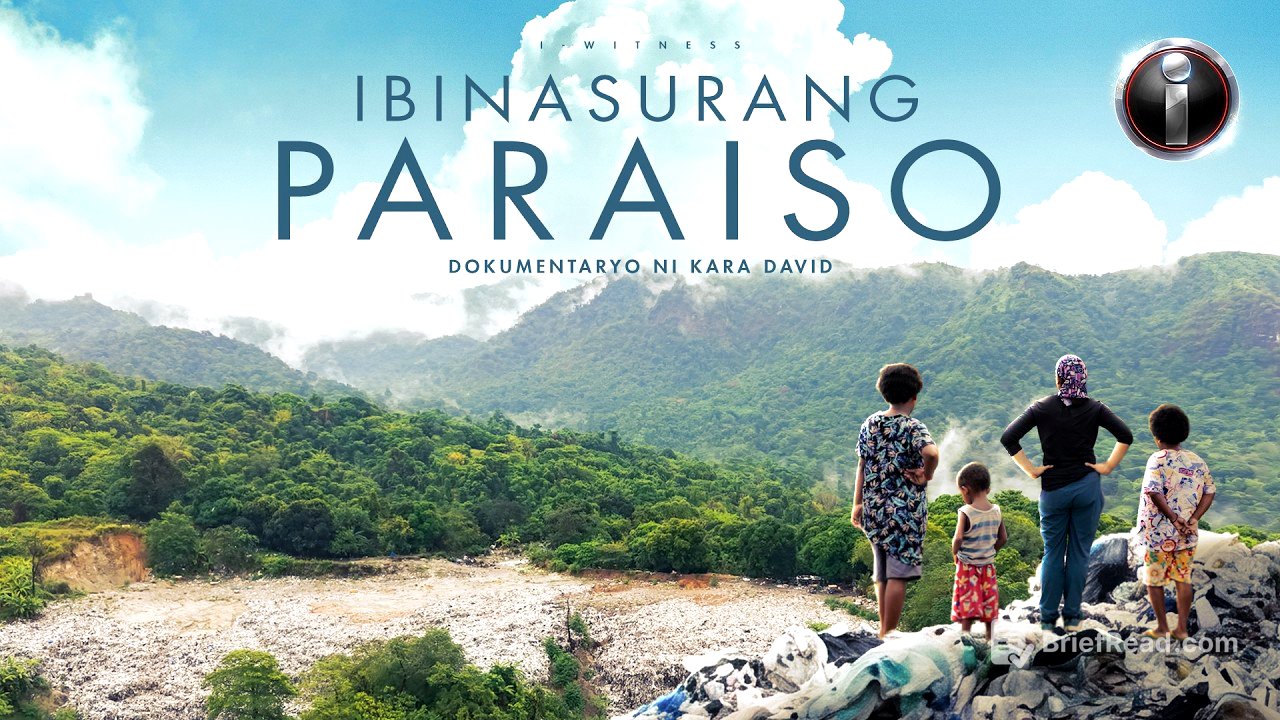
TLDR;
The video documents the significant environmental and cultural impact of a dumpsite in Tibag, Zambales, where the indigenous Ata community has lived for generations. It highlights the community's struggles against pollution, health risks, and the government's neglect regarding their ancestral land.
- Indigenous Ata community's connection to nature and land.
- Establishment of a dumpsite led to severe pollution affecting water and community health.
- Long-lasting impact on the environment and local culture due to government decisions.
Nature and Lifestyle of the Ata Community [0:00]
The video opens with images of the Ata community's beautiful natural surroundings, including clear waters, fresh air, and green mountains. The narrator describes their simple lifestyle, closely connected with nature. However, everything changes with the local government's intervention to build a road leading up to the community, initially meant to improve transportation for their goods.
The Impact of the Dumpsite [2:03]
Seven years ago, local government officials planned and constructed a dumpsite near the tribal land, claiming it would help manage waste. The community initially welcomed the road but later found it brought pollution and trash into their environment. As they approached the dumpsite, the surroundings became littered with garbage, emitting foul odors and attracting flies, deeply affecting Erlinda, a community member.
Changes in the Community and Environment [3:55]
Erlinda reminisces about the past when the area was clean and vibrant. Now, the land, previously lush and inviting, has become a dumping ground. She expresses her emotional turmoil about the changes, stating how the once-harmonious environment has transformed into an unpleasant place filled with waste and pollution.
Contaminated Water Supply [6:10]
The community recounts how their water source became contaminated after the dumpsite's establishment. Once a key source of clean water, the river has now turned murky and is no longer drinkable. The residents must resort to collecting rainwater as their primary drinking source due to the pollution affecting their previous supply.
Government's Ignorance and Community's Struggle [14:21]
The local government's decision to place the dumpsite in an isolated area was made without consulting the community. They later discovered it is part of the ancestral domain of the Ata people. Claims that the waste site would only be temporary were shattered as the dumpsite remained for years, leading to health issues among the residents, who faced increasing pollution and respiratory problems.
Closure of the Dumpsite [16:29]
In January 2022, the Department of Natural Resources (DNR) discovered violations at the dumpsite and ordered its closure. However, it wasn't until March 2022 that the site was officially shut down following complaints from the community. This closure raised questions about why the dumpsite operated for so long and the lack of appropriate consultation with the indigenous residents.
Conclusion: Call for Restoration [21:01]
Despite the closure, remnants of garbage still linger in the area, requiring substantial funding for proper rehabilitation. The Ata community emphasizes the importance of completely removing the waste and restoring their ancestral land. They advocate for their rights, expressing that nature must be preserved over any financial compensation, highlighting the integral relationship they share with their environment.