
TLDR;
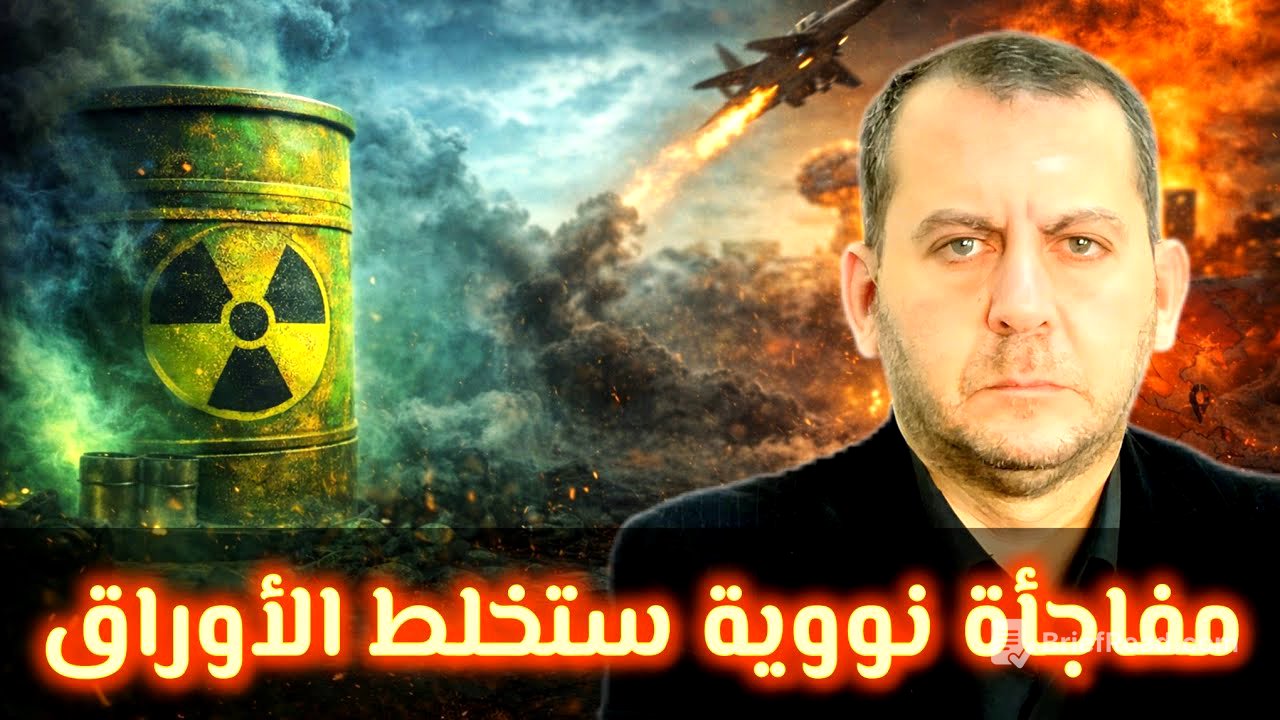
This video discusses potential scenarios involving Iran's enriched uranium stockpile and the implications for regional and global stability. It explores the possibility of a nuclear explosion, a nuclear test by Iran, a deal involving the surrender of enriched uranium, and the potential for the uranium to be moved to Iraq. The video also touches on the strategic relationship between Iraq and Iran and the potential for the US to destabilize Iraq due to its close ties with Iran.
- Iran possesses a significant amount of highly enriched uranium, enough for approximately four nuclear bombs.
- Several scenarios are discussed, including a potential nuclear explosion, a nuclear test by Iran, a deal involving the surrender of enriched uranium, and the possibility of the uranium being moved to Iraq.
- The US military buildup in the region is seen as a tool for pressuring Iran, a prelude to a surgical strike, or the beginning of a full-scale military operation.
- The strategic relationship between Iraq and Iran is highlighted, along with concerns about US intentions towards Iraq.
Iran's Enriched Uranium: A Game Changer [0:00]
The video begins by emphasizing the potential impact of Iran's 400 grams of highly enriched uranium, suggesting it could reshape the region, trigger a global conflict, or serve as a shield against attack. The current military buildup led by the United States is interpreted as a means of exerting pressure on Iran, potentially leading to a deal, a targeted strike, or a broader military intervention. It's stated that Iran's uranium stockpile is reportedly sufficient for producing four nuclear weapons, a fact that cannot be ignored.
Scenario 1: Nuclear Explosion [2:36]
The first scenario discussed involves a potential nuclear explosion resulting from an attack on Iran's uranium stockpile. Some analysts suggest that the US might use cargo planes to deliver a high volume of fire, as its existing air force may not be sufficient for a decisive operation. The speaker questions why Iran needs to enrich uranium to 60% if not for military purposes, suggesting the uranium may already be in the form of bombs. An attack on this stockpile could lead to a nuclear explosion, which could then be blamed on Iran.
Scenario 2: Nuclear Test [5:22]
The second scenario involves Iran conducting a nuclear test in its desert, which would deter Western powers from attacking and force them to negotiate. While this would provide Iran with a degree of immunity from military strikes, it would also lead to increased international isolation and potentially crippling economic sanctions. The speaker notes that Iran's Supreme Leader has not yet issued a fatwa (religious edict) permitting the use of nuclear weapons, but this could change based on the principle of necessity overriding prohibitions.
Scenario 3: Reduced Deal [11:51]
The third scenario involves a potential deal where the US and Iran agree to a reduced set of conditions. Instead of demanding that Iran cease supporting militias and halt nuclear activities, the US might focus solely on securing the 400 grams of enriched uranium. The speaker suggests that the US is primarily concerned about this material, which is close to its allies in the region. However, the speaker warns that this deal could be a temporary solution, with the US potentially raising further demands after Iran has relinquished its enriched uranium.
Scenario 4: Uranium Smuggling to Iraq [14:36]
The fourth scenario involves the potential smuggling of the enriched uranium to Iraq through Iran's extensive network of military and paramilitary groups, including the Islamic Revolutionary Guard Corps (IRGC) and the Basij. The Basij, a volunteer paramilitary organization, is estimated to have 13 to 15 million members. The speaker suggests that even if Iran were invaded, these groups could hide the uranium in Iraq, making it inaccessible to Western forces.
Iraq-Iran Strategic Relationship and US Concerns [16:32]
The video shifts to discuss the strategic relationship between Iraq and Iran, emphasizing the strong ties between the two countries. The speaker notes that the US initially sought to establish a secular government in Iraq after the 2003 invasion, but Iran was able to exert its influence and undermine US efforts. The speaker suggests that the US is now concerned about the growing strategic alliance between Iraq and Iran, particularly under leaders like Nouri al-Maliki.
The Image of Saddam Hussein and US Intentions Towards Iraq [19:06]
The video concludes by discussing the significance of a photo circulating online showing Donald Trump with an Iraqi-American businessman and an Iraqi currency featuring Saddam Hussein. While the speaker dismisses the idea that Saddam Hussein is still alive and will return to power, he suggests that the photo could be a message that the US intends to install a leader with similar qualities. The speaker expresses concern that the US may be planning to destabilize Iraq due to its close ties with Iran, potentially using economic sanctions or other means to weaken the country.






![BEST MACD Trading Strategy [86% Win Rate]](https://wm-img.halpindev.com/p-briefread_c-10_b-10/urlb/aHR0cDovL2ltZy55b3V0dWJlLmNvbS92aS9yZl9FUXZ1Yktsay9ocWRlZmF1bHQuanBn.jpg)